
Marine-Grade Paint and Protective Finishing For Lake Champlain Exposure
Coatings That Failed Too Soon
Rust Spreading From Unfinished Welds
Parts Delivered Unfinished
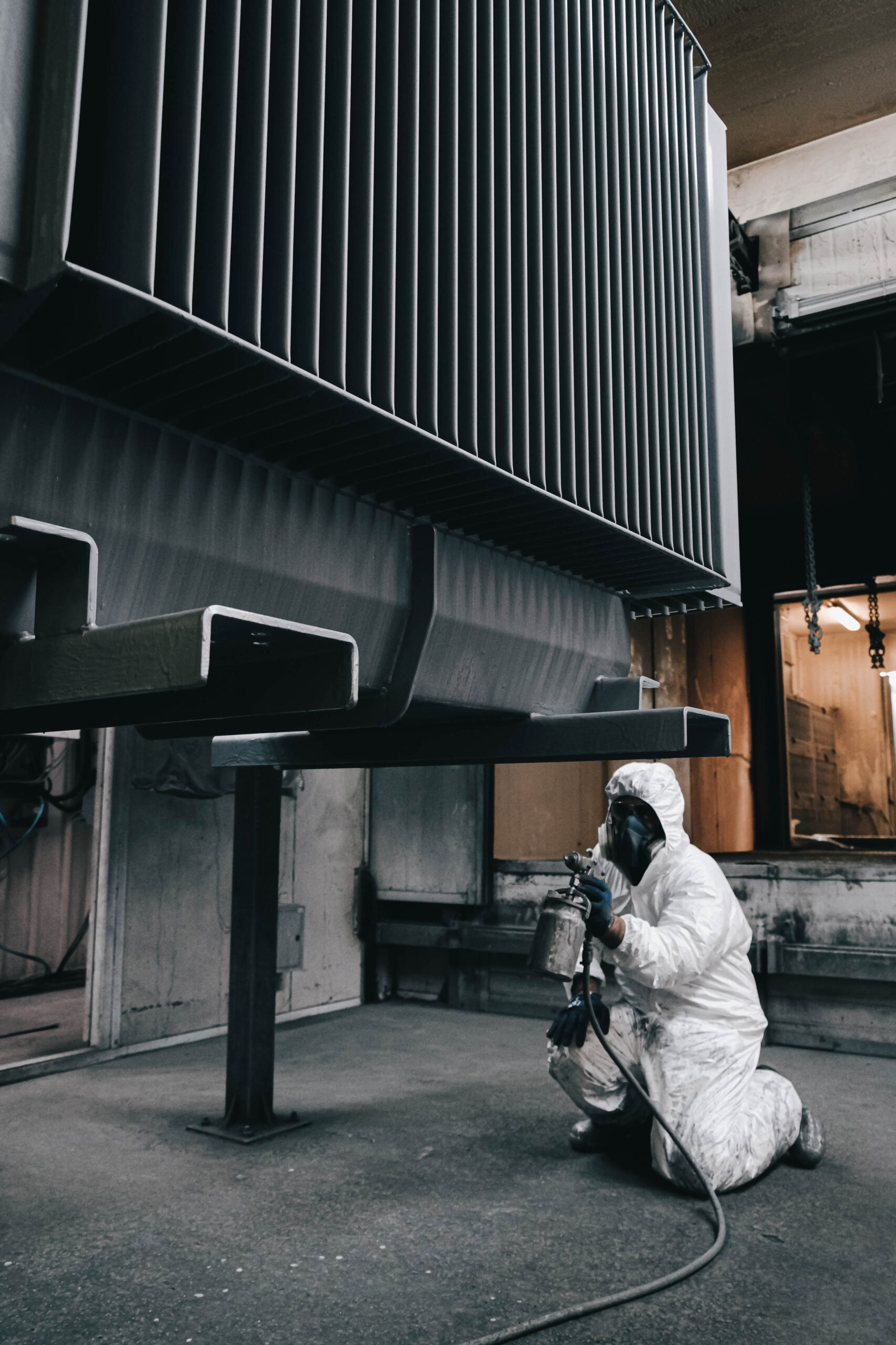
An In-House Paint Booth Changes What’s Possible
When finishing happens in the same shop as welding and fabrication, the entire workflow tightens up. Parts don’t leave half-done. Schedules don’t stall waiting on another shop. Coatings are applied with full context of how the part was built and where it’s going to live, which matters in wet, cold, and marine conditions.
Finishing stays in the same workflow so parts leave ready to install, without coordinating a second vendor or waiting on outside schedules
Industrial and marine-grade coatings applied in-house for steel and aluminum components exposed to moisture, ice, and seasonal movement
Protective primers and corrosion-resistant topcoats used on fabricated parts, repairs, equipment, and waterfront structures
Proper surface preparation before coating including grinding, cleaning, and removal of mill scale and rust so finishes bond and hold long-term
Finishing Work for Contractors,
Marine, and Farms
Surface Preparation
Industrial Protective Coatings
Marine-Grade Finishing
Finish Painting for Fabricated Parts
Touch-Up and Repaint on Repairs
Ready-to-Install Finishing

Why Finishing Fails When It’s an Afterthought
Coating failures almost always start before the paint goes on. Rushed prep, skipped steps, and poor sequencing show up later as peeling, rust bleed-through, and exposed welds—especially in Lake Champlain conditions. Finishing only works when it’s treated as part of the structural process, not a cosmetic step at the end.
Surface prep is skipped or rushed when metal isn’t fully cleaned, mill scale is left in place, or rust isn’t removed before coating
Welds, edges, and corners are under-treated when they don’t get proper grinding or enough coating thickness to hold up
Primer and topcoats aren’t sequenced correctly when cure times are ignored and layers are rushed to meet a deadline
Coatings fail early in marine conditions when prep and application don’t account for moisture, temperature swings, and constant exposure